
Chester Higgins (b. 1946) has photographed the people of the African diaspora for nearly six decades, bringing fine-art photography and photojournalism together in work shaped by memory, spirituality and the dignity of everyday life. Alongside four decades on the staff of The New York Times, he has pursued a sustained investigation of Black life in America, Africa and the Caribbean, photographing not spectacle or crisis but families at home, individuals in contemplation and communities gathered in shared purpose.
Higgins was born in Fairhope, Alabama, and raised in New Brockton. While studying business at Tuskegee, he walked into P. H. Polk’s studio in 1967 to collect a print and left with a mentor—the man who, in Higgins’s words, placed the first camera in his hands. In 1968, dismayed by the local media’s caricature of civil rights protesters, he borrowed a camera and began photographing his own community. His first publication appeared that year, and after receiving his degree in 1970, he moved to New York, where Gordon Parks, Cornell Capa and Romare Bearden became mentors and friends. Bearden guided him in art from 1972 to 1980.
Black Woman appeared in 1970 and Drums of Life in 1974, and both exhibitions travelled through Europe, Africa and Latin America during the decade under the auspices of the United States State Department. Higgins joined The New York Times in 1975 as its first Black staff photographer, making the cover within his first year with Fashionable Teens, Harlem, and remained there until 2014. He used his assignments and travels to build the projects that became his books: Feeling the Spirit travelled from the International Center of Photography to the Smithsonian; Elder Grace was developed over five years; and Sacred Nile followed African spirituality up the Nile to its Biblical antecedents.
By the time Higgins reached Senegal in 1971, his sense of Black history had already been formed by the American South and the awakenings of the 1960s. Africa did not introduce him to identity but expanded his understanding of it. He has since travelled to Africa some fifty times. The Door of No Return, made on Gorée Island in 1972, confronts the threshold through which millions were forced into slavery without turning the history into spectacle. Higgins has been exclusively represented by Bruce Silverstein Gallery since 2021, beginning with The Indelible Spirit, followed by Black Pantheon in 2023 and Shared Memories in 2026. Recent exhibitions include Flight into Egypt at The Metropolitan Museum of Art, and Photography and the Black Arts Movement at the National Gallery of Art and the Getty.
Higgins’s work is the subject of two PBS films, An American Photographer: Chester Higgins Jr. and Brotherman, and his weekly New York Times column, Lens, ran through the 1990s and 2000s. He was inducted into the International Photography Hall of Fame in 2022 and has received the Gordon Parks Legend Award, as well as grants from the Ford Foundation, the NEA and the Rockefeller Foundation. Wrestling with questions of memory, place and identity, Higgins has said, “I see my life as a narrative and my photography as its expression.” Lonnie Bunch has described Higgins as an artist who elevated photography from documentary to fine art.


-

Chester Higgins: The Signature of the Spirit
Amnon Bar-Tur, Hot Mirror, August 4, 2026 -
Chester Higgins: Shared Memories | Bruce Silverstein Gallery
Samixa Bajaj, MUSÉE, June 18, 2026 -
Chester Higgins Jr., Gordon Parks, and the Sacred Art of Seeing
Patrick A. Howell, Global I Am OR The Global Independent African Arts Movement, June 16, 2026 -
A luminous portrait of Black life over six decades
Miss Rosen, Huck, June 9, 2026 -
Chester Higgins on Photographing Black Life Across the Diaspora
Alison Zavos, feature shoot, May 20, 2026 -
Shared Memories
16 Apr — 20 Jun 2026 at the Bruce Silverstein Gallery in New York, United StatesMeer, May 15, 2026 -
Art Gallery Shows to See in April
Chester Higgins: Shared MemoriesSeph Rodney, The New York Times, April 24, 2026 -
In Images | Pride and Grace
Chester Higgins: Shared MemoriesGaia Squarci, Blind Magazine, April 21, 2026 -
Chester Higgins: Shared Memories
ARTDOC Photography Magazine, April 16, 2026 -
Bruce Silverstein Gallery : Chester Higgins : Shared Memories
The Eye of Photography, April 3, 2026 -
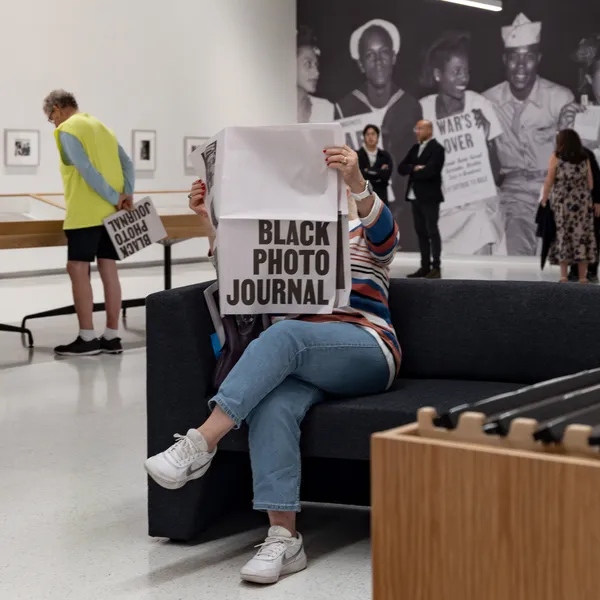
Black Photojournalism
Glasstire, March 4, 2026 -
Historic photographs from the heyday of the Black press
Miss Rosen, Huck, February 23, 2026 -
Black History Month Spotlight: Chester Higgins — A Visual Artist Captures the Soul of the African Diaspora
DuEwa Frazier, Medium, February 22, 2026 -
Mid-Century Black Photographers Show Us How Far We Have, and Haven’t, Come in a New Show at the Getty Center
Sophie Lee, Cultured, February 20, 2026 -
Black Photojournalism
Stephen Frailey, The Brooklyn Rail , January 14, 2026 -
‘Black Photojournalism’ Review: Pictures Without Prejudice at the Carnegie Museum of Art
William Meyers, The Wall Street Journal, September 27, 2025 -
A snapshot of Black life: Carnegie Museum of Art unveils ‘Black Photojournalism’ exhibit
Jamar Thrasher, NEXTpittsburgh, September 18, 2025 -
New York Times photographer Chester Higgins shares how pictures can capture the soul on Alabama tour
Charlotte Tuggle, Auburn University | College of Liberal Arts, March 24, 2025 -
Chester Higgins Is Capturing the Spirit of Africa | Black America
CUNY TV, December 18, 2024 -
Chester Higgins speaks at the United Nations on African Divinity
The United Nations, June 5, 2024 -
Chester Higgins: Bearing Witness
Jenny Fine, Alabama Arts, June 1, 2024 -
Chester Higgins, Alabama Council on the Arts 2024 Distinguished Artist Awardee
THE CAMERA AND MEAlabama Council on the Arts, May 21, 2024 -
Legendary Photographer Chester Higgins On Egyptian Spirituality, Haile Selassie, And Miles Davis
I Never Knew TV, December 24, 2023 -
‘The Spirit is in Charge’:
Chester Higgins Jr. visualizes the Black PantheonDamaso Reyes, The New York Amsterdam News, November 9, 2023 -
LOOKING FOR THE FOOTPRINTS OF GOD
Betsy Kissam and Chester Higgins, Boston Globe, October 19, 2022 -
ARTS ROUNDUP: NEXTFEST RETURNS BIGGER
Sarah Marloff, Washington City Paper, August 8, 2022 -
FOLLOWING THE CALL: CELEBRATING THE SPIRIT OF BLACK EGYPT
Miss Rosen, Blind Magazine, June 7, 2022 -
Chester Higgins Jr Tony Guida's NY
Tony Guida's NY, May 31, 2022 -
CHESTER HIGGINS' CAMERA BRINGS A 360 DEGREE VIEW TO BLACK LIFE
Jon Kalish, NPR, March 31, 2022 -
KAUFFMAN GALLERY PREVIEW: 'SIGNATURE OF THE SPIRIT'
Piper Kull , The Slate, January 25, 2022 -
EXHIBITION REVIEW: REWIND: 20TH ANNIVERSARY SHOW
Emily Capone, Musée: Vanguard of Photography Culture, January 10, 2022 -
CHESTER HIGGINS'S LIFE IN PICTURES
Jordan Coley, The New Yorker, August 27, 2021 -
NYFA Guest Speaker Series: Chester Higgins
New York Film Academy, April 19, 2020 -
Artist Talk: Chester Higgins
Virginia Museum of Fine Arts, March 6, 2018





-
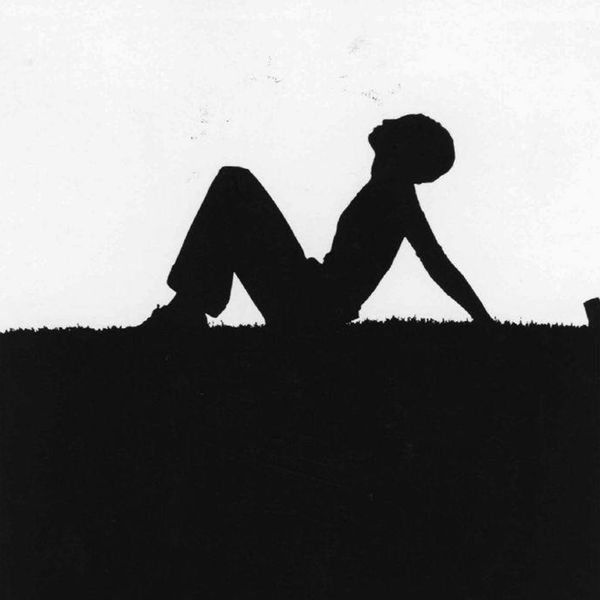
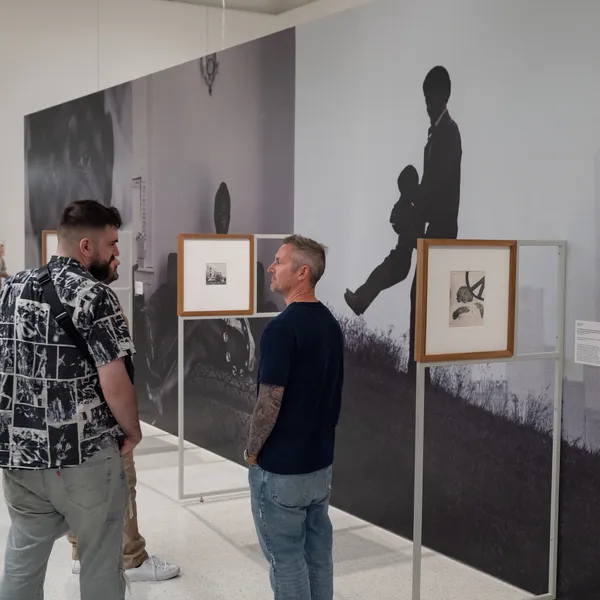
CHESTER HIGGINS: SHARED MEMORIES
16 Apr - 20 Jun 2026 Gallery ExhibitionsBruce Silverstein Gallery is pleased to present Chester Higgins: Shared Memories , the gallery’s third exhibition of work by Chester Higgins. Featuring over forty black and white and color works...Read more -
Black Photojournalism
Amon Carter Museum of American Art 15 Mar - 5 Jul 2026 Outside ExhibitionsBlack Photojournalism shines a light on the groundbreaking work of more than 60 photographers working across the United States in the world-changing decades between 1945 and the mid-1980s. Featuring over...Read more -
Photography and the Black Arts Movement, 1955–1985
J. Paul Getty Museum at the Getty Center 24 Feb - 14 Jun 2026 Outside ExhibitionsAmid the turbulent decades of the mid-20th century, African American and Afro-Atlantic diaspora artists sought to celebrate a distinctly Black culture and advance the struggle for civil rights. Photographic images...Read more -
Photography and the Black Arts Movement, 1955–1985
National Gallery of Art - West Building 21 Sep 2025 - 11 Jan 2026 Outside ExhibitionsUniting around civil rights and freedom movements of the 1960s and 1970s, many visual artists, poets, playwrights, musicians, photographers, and filmmakers expressed hope and dignity through their art. These creative...Read more -
Black Photojournalism
CARNEGIE MUSEUM OF ART - HEINZ GALLERIES 13 Sep 2025 - 19 Jan 2026 Outside ExhibitionsBlack Photojournalism presents work by nearly 60 photographers chronicling historic events and daily life in the United States from the conclusion of World War II in 1945 to the presidential...Read more -
Breaking the Mold: Brooklyn Museum at 200
Featuring A Young Muslim Woman in Brooklyn, 1990 by Chester Higgins 28 Feb 2025 - 22 Feb 2026 Outside ExhibitionsBrooklyn Made is an homage to art and design created in the borough from the 17th century to today. Beginning with a pair of Delaware youth moccasins that acknowledge the...Read more -
Flight into Egypt
Black Artists and Ancient Egypt, 1876–Now 17 Nov 2024 - 17 Feb 2025 Outside ExhibitionsThe Met Fifth Avenue in Gallery 899 Flight into Egypt: Black Artists and Ancient Egypt, 1876–Now examines how Black artists and other cultural figures have engaged with ancient Egypt through...Read more -
Summer Glow
11 Jul - 7 Sep 2024In photography, light is the medium’s essence, shaping each photograph’s composition, mood, texture, and depth. During the long days of summer, light evolves from the soft, diffused glow of the...Read more -
Hood Museum of Art: And I'm Feeling Good
Relaxation and Resistance 20 Jan - 13 Apr 2024 Outside ExhibitionsFeaturing selections from the Hood Museum's photography collection, And I’m Feeling Good: Relaxation and Resistance celebrates joy in African American life. Simultaneously, it considers the pleasures and challenges in achieving...Read more -
Chester Higgins: Black Pantheon
14 Sep - 28 Oct 2023 Gallery ExhibitionsBlack Pantheon , an exhibition of Chester Higgins’ portraits, is not a comprehensive overview of his life’s work but rather disparate but also strategically placed moments with individuals he encountered...Read more -
Chester Higgins: Signature of the Spirit
Shippensburg University 26 Jan - 23 Feb 2022 Outside ExhibitionsRead more -
20th Anniversary Exhibition
REWIND 16 Dec 2021 - 19 Feb 2022 Gallery ExhibitionsBruce Silverstein Gallery is pleased to announce REWIND , a celebration of our 20th anniversary. Featuring works selected from over one hundred exhibitions, REWIND is an opportunity to revisit the...Read more -
Chester Higgins
The Indelible Spirit 6 May - 26 Jun 2021 Gallery ExhibitionsThe exhibition Chester Higgins: The Indelible Spirit at Bruce Silverstein Gallery charts the early course of Higgins’s journey from the late 1960s through the 1990s with a selection of images...Read more


-

Paris Photo 2026
11 - 15 Nov 2026Opening Wednesday, November 11, 2026 (by invitation only) Collectors Circle: 11 a.m. – 9 p.m. VIP: 2pm – 9pm Early Access Collectors Circle & VIP...Read more -

AIPAD 2026
23 - 26 Apr 2026BOOTH B01 For hours and events, visit AIPAD . Thursday, 4pm - Chester Higgins will be in our booth to talk about his photography. Friday,...Read more -

Paris Photo 2025
12 - 16 Nov 2025Read more -

AIPAD 2025
23 - 27 Apr 2025Read more -

PARIS PHOTO 2024
5 - 10 Nov 2024Read more -

THE ARMORY SHOW 2024
5 - 8 Sep 2024Bruce Silverstein Gallery is pleased to announce our participation in the 2024 edition of The Armory Show.Read more -

AIPAD 2024
25 - 28 Apr 2024For AIPAD 2024, Bruce Silverstein Gallery will present photographic and mixed media works with a predominant focus on the Native diaspora, featuring new works by...Read more -

PARIS PHOTO 2023
5 Nov 2023 - 10 Feb 2024In a profound celebration of indigenous art and heritage, Bruce Silverstein Gallery is proud to present the works of two remarkable Native American artists, Sarah...Read more -

AIPAD 2023
30 Mar - 2 Apr 2023Read more -

AIPAD 2022
20 - 22 May 2022Read more -

THE ARMORY SHOW 2021
9 - 12 Sep 2021For The Armory Show 2021, Bruce Silverstein Gallery will present photographic and painted material focusing on New York from the 1960s to 1980s. The installation...Read more